
Southeastern Anatolia is where some of the earliest pages of human history were written. At the northern tip of the Fertile Crescent, between the Euphrates and the Tigris, history here reaches back thousands of years. In our video we visited the region’s 38 most impressive spots, from Göbeklitepe to Mount Nemrut, from Harran to Mardin, and from the walls of Diyarbakır to the Zeugma Mosaic Museum and the Botan Valley in Siirt. In this guide we cover the region city by city and explain what to prioritize in each.
Şanlıurfa: Humanity’s oldest traces
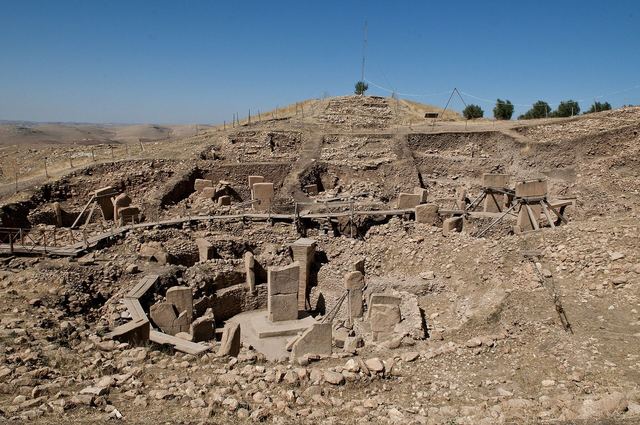
Göbeklitepe, roughly 12,000 years old, is home to some of the oldest known monumental structures and is on the UNESCO World Heritage List. Built by hunter-gatherers before farming became widespread, these structures forced a rethink of what we knew about the history of civilization. Nearby Karahantepe is another Neolithic site that has drawn attention thanks to recent excavations.
Balıklıgöl (the Pool of Sacred Fish) in the city center is a holy site associated with stories of the Prophet Abraham. The mosques and madrasas around the pool and the bazaars right next to it are the liveliest part of Urfa. The Şanlıurfa Archaeology Museum, one of the largest museums in Türkiye, displays finds from excavations across the region; be sure to stop by before or after visiting Göbeklitepe.
Harran is known for its cone-roofed mudbrick beehive houses and for having been home to one of the world’s earliest universities. Halfeti, on the banks of the Euphrates, offers a completely different scene, with an old village partly submerged by a dam reservoir and boat tours.
Mardin: The stone city
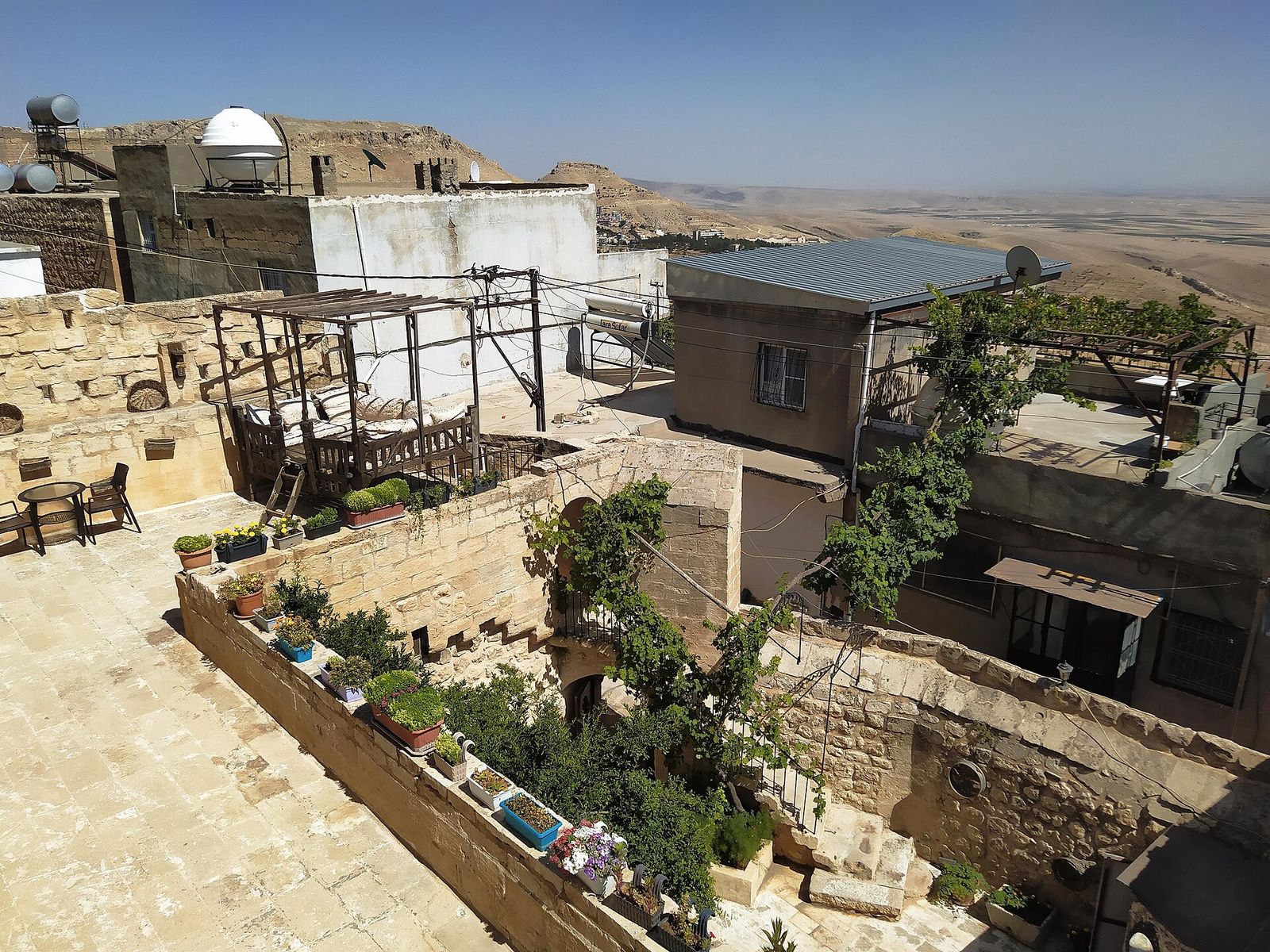
Built on a hillside overlooking the Mesopotamian plain, Mardin, with its honey-colored stone houses, narrow lanes and historic buildings, is the region’s most photogenic city. The Zinciriye Madrasa, the Grand Mosque and the historic bazaar are the main stops in the old town. Near Mardin, the ancient city of Dara impresses with rock-cut tombs and cisterns.
East of Mardin, Midyat is known for its telkari silver filigree work and mansions, and the nearby Mor Gabriel Monastery is considered one of the oldest still-active monasteries in the world.
Diyarbakır: City walls and the Tigris
Diyarbakır Fortress and the Hevsel Gardens are on the UNESCO World Heritage List. The black basalt walls, stretching for miles, form one of the longest city wall systems in the world. The view from the walls over the Tigris valley and the Hevsel Gardens is stunning. The city’s Grand Mosque, historic caravanserais and the Ten-Eyed Bridge (On Gözlü Köprü) are also worth seeing. A Diyarbakır breakfast is the best introduction to the city’s food culture.
Gaziantep: Food and mosaics
Gaziantep, recognized by UNESCO as a Creative City of Gastronomy, is one of Türkiye’s culinary capitals. Baklava, beyran (a spicy lamb and rice soup), all kinds of kebabs and katmer (a thin pastry with pistachio and clotted cream) are must-tries. The Zeugma Mosaic Museum holds one of the largest mosaic collections in the world, recovered from the ancient city of Zeugma; the “Gypsy Girl” mosaic is its icon.
Gaziantep Castle and the coppersmiths’ bazaar are also must-sees in the city center.
Adıyaman: Mount Nemrut
Mount Nemrut, with the tumulus of King Antiochus of Commagene and the giant stone statues around it, is on the UNESCO World Heritage List. Most visitors climb to the summit to watch the sun rise or set behind the statues. It can be quite cold at the top even in summer, so bring a warm layer. Since the road can close due to snow in winter, visits usually take place from late spring to mid-fall.
Siirt and the Botan Valley
One of the least-known but most striking stops in our video is the Botan Valley. Here in Siirt, the Botan River winds between deep canyons; the valley was recently declared a national park and is attracting nature lovers. (Thanks to the DroneMacera channel for the Siirt footage.)
When to go
Summers in Southeastern Anatolia are extremely hot; outdoor sightseeing in July and August can be exhausting. The best times are spring (April–May) and fall (September–October). In spring, the Mesopotamian plain turns green; in fall, the weather is mild and great for exploring.
Safety note
Some areas close to the Syrian and Iraqi borders are covered by government travel advisories. Before you go, check your own government’s current travel advice for the specific provinces on your route.
Getting around and where to stay
Şanlıurfa, Mardin, Diyarbakır, Gaziantep and Adıyaman all have airports. Flying into one city and out of another makes your route more efficient. To compare flights: flights to Southeastern Anatolia. Between cities, buses and rental cars are the options. For places to stay, Mardin’s boutique hotels in converted stone mansions and the historic caravanserais of Gaziantep and Şanlıurfa are memorable choices: hotels in Southeastern Türkiye.
If you’d like to see Göbeklitepe, Harran and Nemrut together on guided tours: tours in Southeastern Türkiye.
Sample itinerary (7–8 days)
- Gaziantep (2 days): The Zeugma Museum, the castle, the bazaars and the food.
- Şanlıurfa (2 days): Göbeklitepe, Balıklıgöl, the museum, Harran and Halfeti.
- Adıyaman (1 day): Sunset or sunrise on Mount Nemrut.
- Mardin (2 days): The old town, Dara, Midyat and Mor Gabriel.
- Diyarbakır (1 day): The city walls, the Hevsel Gardens and the Ten-Eyed Bridge.
A food route
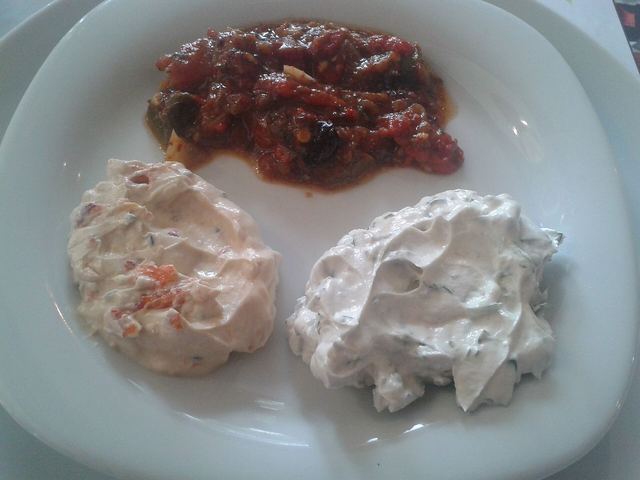
The Southeast is worth the trip for its food alone: baklava and katmer in Gaziantep, çiğ köfte and isot pepper in Urfa, kaburga dolması (stuffed lamb ribs) in Mardin, liver kebabs and lavish breakfast spreads in Diyarbakır. Tables here tend to be generous, and the tradition of hospitality is one of the most memorable parts of the journey.
Final word
Southeastern Anatolia stays with you not just for its sights but for its hospitality, its food and its thousands of years of stories. Watch the video to feel the spirit of the region, then build your own route with this guide.