

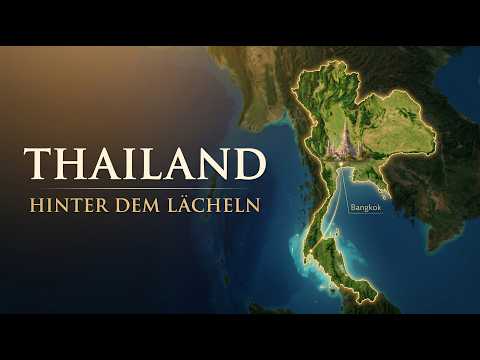
Thailand may be the “easiest” country for a first trip to Asia: strong tourism infrastructure, friendly people, world-famous food and postcard-perfect scenery. In our documentary we traveled from Bangkok’s energetic streets to Chiang Mai’s ancient temples and from the turquoise waters of the Phi Phi Islands to the historic ruins of Ayutthaya. In this guide we present Thailand through three travel styles: city and culture, nature and history in the north, and islands and beaches.
City and culture: Bangkok
Bangkok, Thailand’s capital, is most travelers’ first stop. The city’s most important sights cluster along the Chao Phraya River:
- The Grand Palace and the Temple of the Emerald Buddha (Wat Phra Kaew) inside it: one of Thailand’s most sacred places.
- Wat Pho: Known for its giant reclining Buddha and its traditional Thai massage school.
- Wat Arun (Temple of Dawn): On the opposite bank, stunning at sunset with its porcelain-decorated tower.
Using river boats to get between temples is the smartest way to dodge Bangkok’s traffic. In the evening, night markets and street food stalls give the city a completely different feel.
Temples enforce dress codes: shoulders and knees must be covered, and shoes must come off in certain areas. These rules are especially strict at the Grand Palace.
To compare Bangkok tours and day trips: tours and things to do in Thailand.
History: Ayutthaya
North of Bangkok, Ayutthaya, the former capital of the Kingdom of Siam, is on the UNESCO World Heritage List. Temple ruins, headless Buddha statues and, above all, a Buddha head entwined in the roots of a tree are among the most striking shots in the video. It’s an easy day trip from Bangkok by train or on a tour; cycling between the ruins is the most enjoyable way to explore.
Nature in the north: Chiang Mai and around
Chiang Mai, in the north, with its walled old city and hundreds of temples, has a much calmer atmosphere than Bangkok. Doi Suthep Temple, on the hill above the city, is worth the trip for the temple and the view. The weekend night markets are ideal for crafts and food.
The mountains around Chiang Mai draw nature lovers with hiking trails, waterfalls and hill villages. Elephant visits are popular, but you’re strongly encouraged to choose sanctuaries that put animal welfare first over places that allow riding.
Farther north, Chiang Rai is known for the striking all-white architecture of the White Temple (Wat Rong Khun).
Islands and beaches
Southern Thailand has two different coastlines, and that split determines when you should go:
The Andaman Sea (west coast): The Phi Phi Islands, with limestone cliffs and turquoise bays, are among the most colorful parts of the video. Krabi and Phuket are the main bases on this coast. Popular bays like Maya Bay may be closed or restricted from time to time to protect nature.
The Gulf of Thailand (east coast): Koh Samui, Koh Phangan and Koh Tao. Koh Tao is a popular place to learn to dive.
Ferries and speedboats run between the islands; sailings can be canceled depending on sea conditions, so leave some flexibility in your plans.
When to go
Thailand broadly has three seasons: cool and dry (roughly November–February), hot (March–May) and rainy (roughly June–October). November to February is the most popular time.
One important detail: the Andaman coast (Phuket, Krabi, Phi Phi) is hit harder by the summer monsoon, while the Gulf islands (Koh Samui and others) have their rainy season at different times. If you’re planning an island vacation, check the season for that specific coast.
Practical info
- Visas: Thailand allows visa-free short stays for citizens of many countries, including the US, UK, Canada, Australia and Türkiye, but the length of stay and conditions change, so check the latest information with official sources.
- Money: The currency is the Thai baht (THB). Cards are common in big cities, but you’ll need cash for markets and street food.
- Getting around: There are direct flights to Bangkok from many parts of the world: flights to Thailand. Within the country, domestic flights, overnight trains and buses are common. In Bangkok, the BTS Skytrain and MRT are the best way to beat the traffic.
- Internet: A local SIM from the airport or a pre-installed eSIM makes life easy: eSIM options for Thailand.
- Respect: Disrespect toward the royal family is a serious crime in Thailand. Posing with your back to a Buddha statue or climbing on statues is also frowned upon.
Where to stay
In Bangkok, the riverside or areas near the metro lines; in Chiang Mai, the old city; and on the islands, a beach that matches whether you want peace or nightlife. Thailand is known for accommodation to suit every budget: hotels in Thailand.
Thai food
Pad thai, tom yum soup, green and red curries and, for dessert, mango sticky rice. Thai food is usually spicy; if you want it milder, say so when you order.
Picking street food stalls that are busy and cook fresh is the simplest way to avoid an upset stomach.
Final word
Thailand is ideal if you want to combine culture, nature and a beach vacation in one trip. Watch our documentary, decide which Thailand speaks to you and plan your trip with this guide.
Unusual facts
- Bangkok’s full ceremonial name in Thai is known as one of the longest place names in the world.
- Thailand is the only country in Southeast Asia never colonized by a European power.
- In Thai culture, touching someone’s head is considered rude, and pointing at something or someone with your foot is frowned upon.
- Songkran (Thai New Year) turns into a giant nationwide water festival in mid-April.
- Disrespect toward the royal family is punishable by law, so avoid joking about it.
Things to watch out for & tourist traps
- People who tell you “the Grand Palace is closed today” and steer you to another tour are running a classic Bangkok scam.
- Agree on the fare before getting into a tuk-tuk; “super cheap” tours usually end with stops at jewelry or tailor shops.
- Instead of elephant rides and animal photo tours, look into sanctuaries known for ethical practices.
- Cover your shoulders and knees at temples, and take your shoes off at the door.
- Don’t leave your passport as a deposit when renting jet skis or scooters; you may face bogus damage claims.
Thailand guides
Frequently asked questions
Where should first-time visitors to Thailand start?
Bangkok, Ayutthaya, Chiang Mai and then one group of islands (on the Andaman or Gulf side) makes a classic, well-balanced route.
Which coast for the islands?
The Andaman coast (Phuket, Krabi, Phi Phi) is generally best from November to April, while the Gulf islands (Koh Samui and others) follow a different rainfall pattern; choose based on your dates.
Is street food safe in Thailand?
Choosing busy stalls with high turnover and food cooked fresh in front of you reduces the risk.


