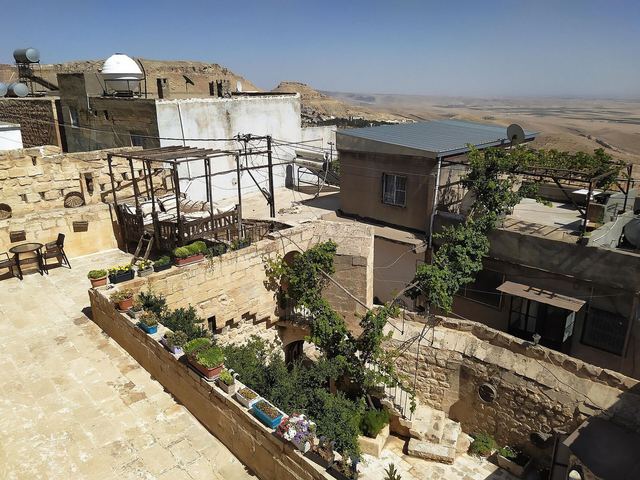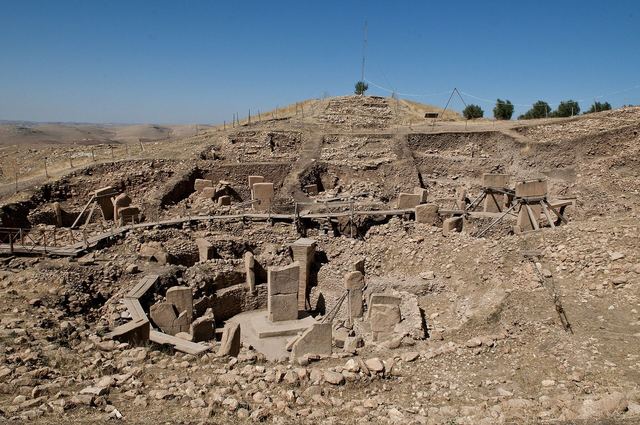

Eastern Anatolia is Türkiye’s largest and highest region, and one of the places that most often makes travelers say, “I wish I’d come sooner.” In our video we gathered 39 must-see places in the region, from the ruins of Ani to Akdamar Island, Lake Çıldır and much more. In this article we explain how to see them within a realistic road plan, because in Eastern Anatolia the real challenge isn’t what to see but how to manage the distances.
Know this first: The distances are huge
Drives of several hours between cities are normal in Eastern Anatolia, and some roads cross mountain passes. Snow and ice in winter and roadwork in summer can stretch travel times. That’s why breaking the region into routes like the ones below makes for a much more enjoyable trip than trying to cover it all at once.
Route 1: Kars and around
Kars is one of the most popular cities for starting a trip through Eastern Anatolia. With stone buildings from the Russian and Ottoman periods, a castle and its own distinctive cuisine, the city is interesting in its own right.
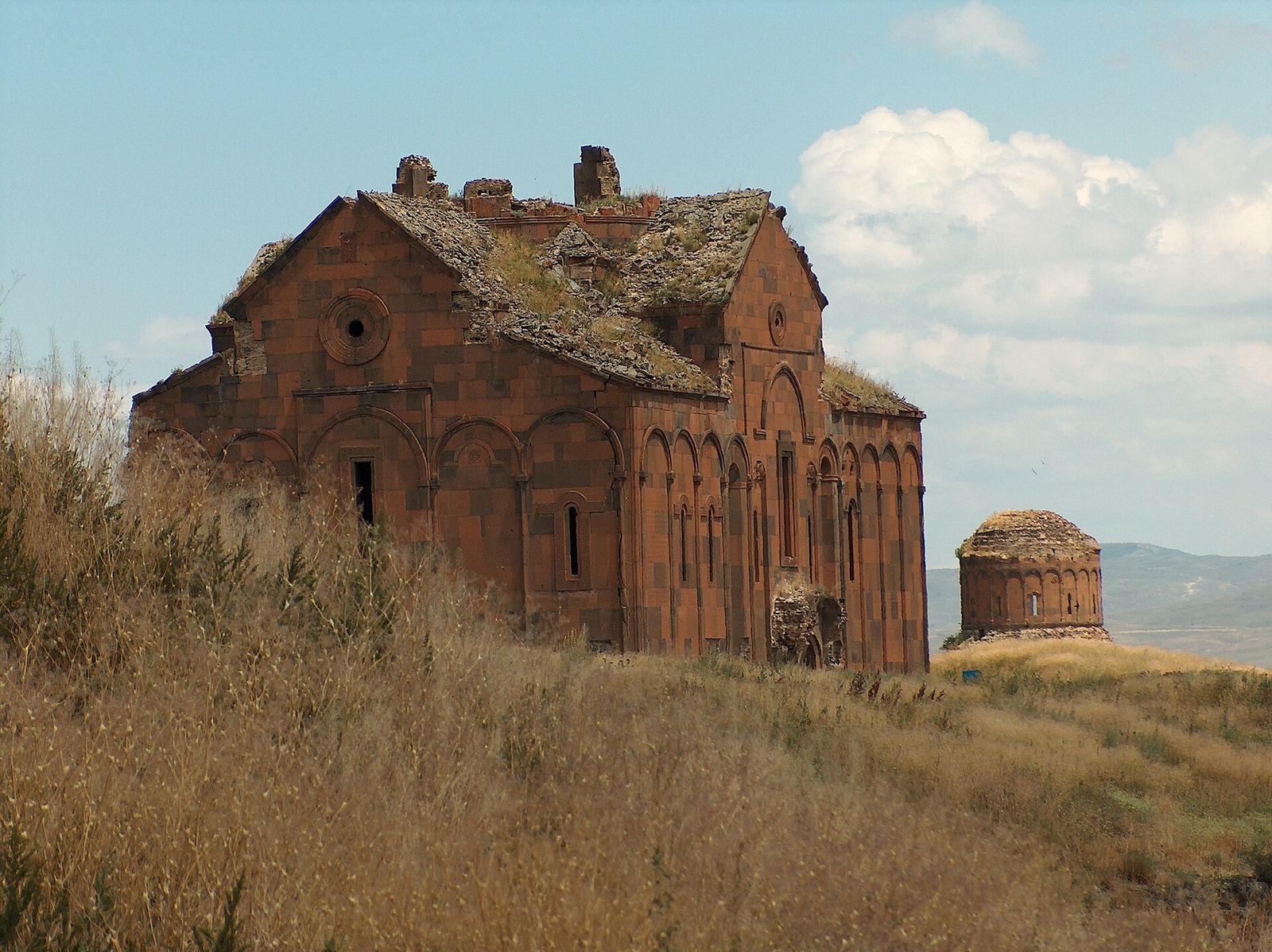
The ruins of Ani, about 45 kilometers east of Kars on a plateau at the edge of the Arpaçay valley, are a medieval city on the UNESCO World Heritage List. The remains of the cathedral, churches, a mosque and the city walls show how large the city once was. The site is vast and shadeless, so bring water and a hat.
Lake Çıldır lies north of Kars, on the border with Ardahan province. The lake freezes in winter, when traditional activities such as horse-drawn sleigh rides and ice fishing take place on its surface. In summer it offers a peaceful lake view surrounded by green meadows.
The most romantic way to reach Kars is the Eastern Express (Doğu Ekspresi), the train between Ankara and Kars. This long but scenic journey is especially popular in winter; tickets can sell out fast, so plan early.
Route 2: Ağrı and Doğubayazıt
Ishak Pasha Palace, perched above Doğubayazıt and facing Mount Ararat, is one of the most impressive palaces of the Ottoman era. It’s known for its stonework and its blend of different architectural styles.
Mount Ararat (Ağrı Dağı) is the highest mountain in Türkiye. Climbing it requires a permit and an experienced guide, but it’s worth coming to Doğubayazıt just for the view. On clear days, the summit is visible from miles away.
Route 3: Van and around
Lake Van is Türkiye’s largest lake and is known for its soda-rich water. Akdamar Island, off the lake’s southern shore, is reached by boat; its medieval church, with its stone reliefs, is one of the most important historic buildings in the region.
Van Fortress, on a rocky outcrop rising from the lakeshore, is worth a visit for its history reaching back to the Urartian period. The view of the lake from the fortress at sunset is stunning.
Muradiye Waterfall, northeast of Van, is at its most spectacular in spring, when the snowmelt pours down.
Nemrut Crater Lake, near Tatvan in Bitlis province, formed in the crater of an extinct volcano. Don’t confuse it with the famous Mount Nemrut in Adıyaman. The road up to the crater lake is open in summer; in winter, snow makes access difficult.
While in Van, be sure to have a Van breakfast: a spread of herbed cheese, kaymak (clotted cream), honey and countless other dishes that’s one of the region’s best-known food experiences.
Route 4: Erzurum and around
Erzurum, with monuments from the Seljuk and Ottoman periods, is one of the region’s historic centers. The Double Minaret Madrasa (Çifte Minareli Medrese), the Yakutiye Madrasa and the Three Tombs (Üç Kümbetler) are the city’s symbols. In winter, Palandöken stands out as one of Türkiye’s best-known ski resorts.
Erzurum’s signature dish, cağ kebabı (a horizontally spit-roasted lamb kebab), and kadayıf dolması (stuffed shredded-pastry dessert) are must-tries in the city.
Route 5: Malatya and Elazığ
In the west of the region, Malatya is known for its apricots, and Arslantepe Mound is an important archaeological site on the UNESCO World Heritage List. Harput in Elazığ is worth seeing for its old town fabric and views.
When to go
In Eastern Anatolia, the right season depends on what you want to see:
| Season | Ideal for |
|---|---|
| Winter (December–February) | Frozen Lake Çıldır, the Eastern Express, skiing at Palandöken |
| Spring (May–June) | Waterfalls, greening highland pastures |
| Summer (July–August) | Nemrut Crater Lake, Ani, high plateaus, easy road conditions |
| Fall (September–October) | Fewer crowds, mild weather |
Winter temperatures can drop very low; proper clothing and winter tires are a must.
Getting around and where to stay
Major cities such as Kars, Van, Erzurum, Ağrı and Malatya have airports. To compare flights: flights to Eastern Anatolia. Between cities, you can travel by bus or rental car; if you rent a car, check road and weather conditions every day. For accommodation, using each route’s main city as your base is the most practical approach: hotels in Kars, Van and Erzurum.
To compare guided tours and Eastern Express packages: tours in Eastern Anatolia.
What to pack
Thermal base layers and a heavy coat (in winter), sunscreen and a hat (the sun is intense at high altitude in summer), cash (for small towns) and a charger.
Final word
Eastern Anatolia is not a region to rush. You can’t see all 39 places from our video in one trip, but when you pick one route and give it its due, you’ll understand why the region keeps calling so many travelers back.