Türkiye is hard to sum up in one sentence, because the country is big and varied enough that you can wake up in the fog of a Black Sea highland and end the day in a Mediterranean cove. In our documentary we brought together 40 places from all seven geographical regions. In this guide we’ve organized them region by region and linked to our detailed guide for each region. Jump to the region that interests you, or find all of our Türkiye guides grouped by region at the bottom of the page.
Marmara: Where two continents meet
Most trips to Türkiye begin in Istanbul. The Historic Peninsula, home to Hagia Sophia, the Blue Mosque, Topkapı Palace and the Basilica Cistern, along with Galata, Balat and the shores of the Bosphorus, show the city’s many faces. For a detailed route, see our guide to things to do in Istanbul.
In the south of the Marmara region, the Gulf of Edremit, where the Kaz Mountains meet the sea, is known for its peaceful holiday towns: Ayvalık, Akçay, Altınoluk and Assos, with its ancient city, are the standout stops.
The Aegean: Ancient cities and olive groves
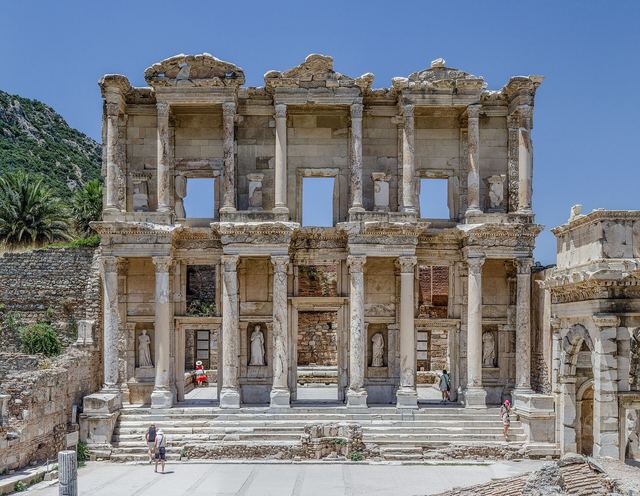
The Aegean is where Türkiye’s ancient heritage is most concentrated. Ancient cities like Ephesus, Pergamon and Aphrodisias, the travertine terraces of Pamukkale and villages like Şirince are all here. Izmir is the gateway to the region, and Kuşadası is the closest resort town to Ephesus. Farther south, the Muğla coast, meaning Bodrum, Marmaris and Fethiye, offers Türkiye’s most famous coastal scenery, including Ölüdeniz and Butterfly Valley. Our Aegean region guide is a good place to start for the whole area.
The Mediterranean: The Lycian coast and the Taurus Mountains
Around Antalya you’ll find Kaleiçi, the Düden Waterfalls and ancient cities like Perge and Aspendos; to the west stretches the Lycian coast with Kaş, Kekova, Patara and Olympos. The Lycian Way is a long-distance hiking trail linking ancient cities along the coast; even walking a few days of it is unforgettable.
Central Anatolia: Fairy chimneys and steppe
Cappadocia, with its fairy chimneys, rock-cut churches and underground cities, has one of Türkiye’s most recognizable landscapes. Hot air balloons floating over the valleys in the early morning are the region’s symbol. For guided tours and experiences: Cappadocia tours. The region also includes Konya’s Rumi heritage, the Hittite capital of Hattusa and Lake Tuz.
The Black Sea: Highlands in every shade of green
The highlands of Rize and Artvin, Uzungöl, Sumela Monastery and the Kaçkar Mountains make the Black Sea unique for anyone looking to escape the summer heat. Because the region gets a lot of rain, summer is the best time to visit.
Eastern and Southeastern Anatolia: Ancient civilizations
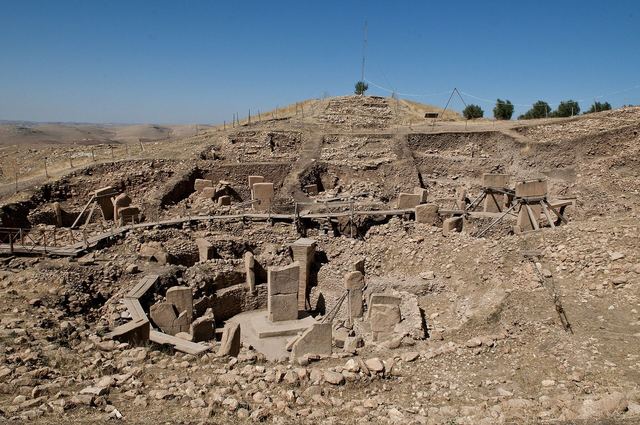
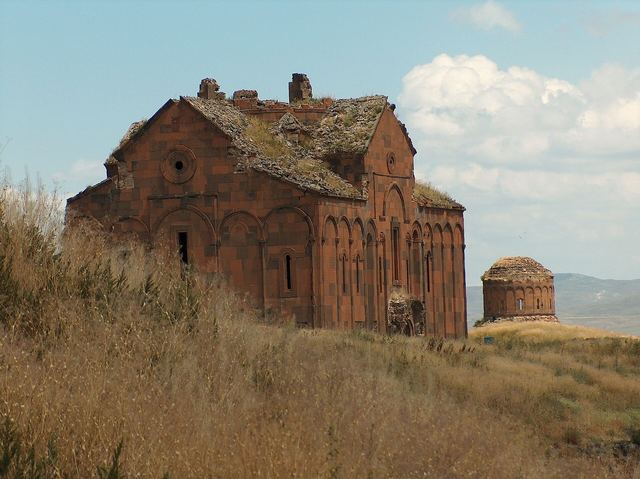
In the east, the ruins of Ani, Lake Van, Mount Nemrut and Mount Ararat await; in the southeast, Göbeklitepe, the stone houses of Mardin and the cuisine of Gaziantep. For details, see our guides to Eastern Anatolia and Southeastern Anatolia. For every site on the UNESCO list, read our article on UNESCO World Heritage Sites in Türkiye.
When to go
- Spring (April–June): The best time for ancient sites, Cappadocia and city breaks.
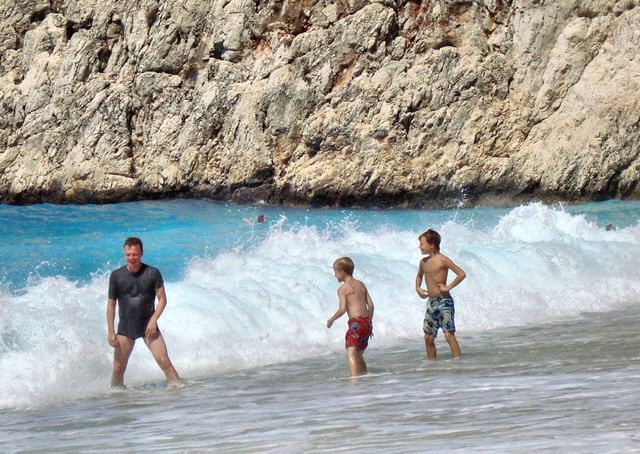
- Summer (July–August): Ideal for the beach, the Black Sea highlands and the high country of Eastern Anatolia; the coasts are crowded.
- Fall (September–October): The sea is still warm and the crowds have thinned; perhaps the most balanced time to explore Türkiye.
- Winter: A quieter Istanbul, snow in Erzurum and Kars, and snow-covered fairy chimneys in Cappadocia.
Getting around
Domestic flights connect Türkiye’s big cities quickly, and the intercity bus network reaches even the smallest towns. On the Aegean and Mediterranean coasts, a rental car is the most flexible way to explore the coves. High-speed trains run on the Ankara–Istanbul, Ankara–Konya and Ankara–Eskişehir lines.
Sample itinerary: Classic Türkiye in 12 days
- Days 1–4: Istanbul: the Historic Peninsula, the Bosphorus, Galata and Balat.
- Days 5–7: Cappadocia: valleys, underground cities and a balloon morning.
- Day 8: Pamukkale and Hierapolis.
- Days 9–10: Selçuk and Ephesus; Şirince.
- Days 11–12: Beach time and rest in Fethiye or Kaş.
To compare places to stay: hotels in Türkiye.
Unusual facts
- Most of Türkiye lies in Asia (Anatolia) and a small part in Europe (Thrace); Istanbul is one of the few major cities in the world that spans two continents.
- Göbeklitepe is counted among the oldest monumental structures known, thousands of years older than Stonehenge.
- With more than twenty sites on the UNESCO World Heritage List, Türkiye is among the richest countries in the world for heritage.
- Türkiye is one of the world’s leading producers of cherries, hazelnuts, figs and apricots.
- Mount Ararat (Ağrı Dağı), at over 5,000 meters (16,400 ft), is the country’s highest point.
Things to watch out for & tourist traps
- In busy areas like Istanbul’s Historic Peninsula and Cappadocia, invitations to “just take a look” at a carpet shop and salespeople posing as guides are common.
- In taxis, make sure the meter is running; if possible, book through an app.
- In July and August the Aegean and Mediterranean coasts are very hot and crowded; visit ancient sites early in the morning.
- When visiting mosques, mind prayer times and cover your shoulders and knees; women should cover their hair.
- Winters in Eastern Anatolia are long and harsh; mountain roads can close because of snow between November and March.
Visas & entry
Entry rules depend on your passport. Citizens of many countries, including the UK and EU member states, can visit Türkiye visa-free for short stays, and some other nationalities can get an e-Visa online in minutes. Use only the official e-Visa website (evisa.gov.tr), and check the current rules for your nationality with official sources before you travel.
Visa and entry rules depend on your passport and change often. Before you travel, always check the latest requirements with the destination country’s official sources and your own government’s travel advisory (for US citizens: travel.state.gov).
Türkiye guides
Marmara region
City & place guide
Akçay Travel Guide: A Quiet, Affordable Aegean Getaway at the Foot of the Kaz Mountains
What is Akçay like? Getting there, where to stay, food, nearby beaches and things to see: a practical guide following the chapters of our video.
City & place guide
Altınoluk Travel Guide: Insider Tips for a Vacation at the Foot of the Kaz Mountains
What is Altınoluk like? Getting there, where to stay, beaches, food and sights from Antandros to the Kaz Mountain villages: a practical guide based on our video.
City & place guide
Ayvalık Travel Guide: Practical Tips for Cunda, Şeytan Sofrası and the Beaches
How to get to Ayvalık, where to stay, what to eat and which beaches to choose: a guide that follows the chapters of our documentary.
City & place guide
Assos Travel Guide: The Temple of Athena, the Ancient Harbor and Behramkale
How to get to Assos, where to stay, where to swim and what to see: practical tips that follow the chapters of our documentary.
City & place guide
Güre Travel Guide: Thermal Springs, the Kaz Mountains and Gulf Beaches
Everything about Güre: where it is, how to get there, where to stay, thermal resorts, sights, food and nearby beaches. A guide following our video’s chapters.
City & place guide
Things to Do in Istanbul: A Practical Guide from the Historic Peninsula to the Bosphorus
The guide to our documentary on 55 places to see in Istanbul: a neighborhood-by-neighborhood itinerary, transportation, the best time to visit and budget tips.
City & place guide
Küçükkuyu Travel Guide: Adatepe, the Altar of Zeus and the Quiet Shore of the Kaz Mountains
How to get to Küçükkuyu, where to stay, eat and swim: a guide to Adatepe, the Altar of Zeus and the surrounding villages, based on our video.
Aegean region
Regional guide
Aegean Türkiye Travel Guide: Ancient Cities, Stone Villages and Turquoise Coves
A themed guide to Türkiye’s Aegean region: Ephesus, Pamukkale, Bodrum, Şirince, Alaçatı, Ölüdeniz and more, with itinerary ideas and the best seasons.
City & place guide
Fethiye Travel Guide: What to Know About Ölüdeniz, Kayaköy and Saklıkent
Before you go to Fethiye: where to stay, how to reach Ölüdeniz and Butterfly Valley, boat tours, paragliding and the best time to visit.
City & place guide
Things to Do in Izmir: From the Kordon to Ephesus, the City and Beyond
The guide to our Izmir documentary: Konak, the Kordon, Kemeraltı and Kadifekale, plus day trips to Alaçatı and Ephesus, with transportation and seasonal tips.
City & place guide
Marmaris Travel Guide: Coves, Boat Tours, Selimiye and Kızkumu
What to know before you go to Marmaris: where to stay, how to choose a boat tour, the Bozburun Peninsula, transportation and the best season.
City & place guide
Kuşadası Travel Guide: Pigeon Island, Beaches, the National Park and Ephesus
Before you go to Kuşadası: the best beaches, Pigeon Island, Dilek Peninsula National Park, day trips to Ephesus and Şirince, getting there and where to stay.
City & place guide
Muğla Travel Guide: Choosing Between Fethiye, Bodrum, Marmaris and Datça
The guide to our documentary on Muğla’s most beautiful places: which town suits whom, how to get there, when to go and how to plan your trip.
Southeastern Anatolia region
Unusual facts, warnings and themed guides
List
The Best Beaches in Türkiye: How to Choose Based on Your Travel Style
Türkiye’s best beaches: Ölüdeniz, Patara, Kaputaş, İztuzu, Çıralı and more. How to choose for families, nature lovers and peace seekers, plus practical tips.
Travel tip
Fethiye vs. Marmaris: How to Choose Based on Your Travel Style
We compared Fethiye and Marmaris on nature, beaches, nightlife, family vacations, boat tours and transportation. Which one suits you better?
Food guide
Istanbul’s Esnaf Lokantası: Where to Find Real Home Cooking in the City
The guide to our video on Istanbul’s best esnaf lokantası (tradesmen’s restaurants): Hünkar, Çiya, Hacı Abdullah, Yanyalı Fehmi and more; what to eat and how to order.
Tourist traps
Istanbul Tourist Traps: What to Watch Out For and What to Avoid
Common tourist traps in Istanbul: the shoe-shine trick, taxis, bar bills, carpet shops and alternatives to the most crowded spots.
List
Türkiye’s UNESCO World Heritage Sites: A Guide for Planning Your Trip
Türkiye’s UNESCO World Heritage sites region by region: how to visit Istanbul, Cappadocia, Pamukkale, Nemrut, Göbeklitepe and the rest.
Frequently asked questions
Where should first-time visitors to Türkiye start?
A route covering Istanbul (3–4 days), Cappadocia (2–3 days) and Ephesus and Pamukkale on the Aegean coast shows you the many faces of Türkiye in 10–12 days.
When is the best time to visit Türkiye?
Spring and fall are ideal for most regions. June–September is best for the beach, summer for the Black Sea and Eastern Anatolia highlands, and spring and fall for Cappadocia.
How do you travel between cities in Türkiye?
Domestic flights save time over long distances, and the intercity bus network is extensive. There are also high-speed trains between Ankara, Istanbul, Konya and Eskişehir.