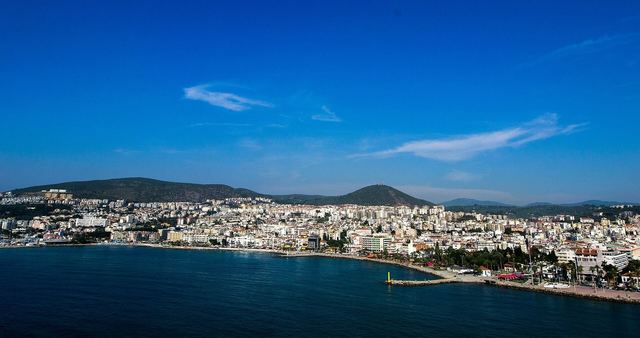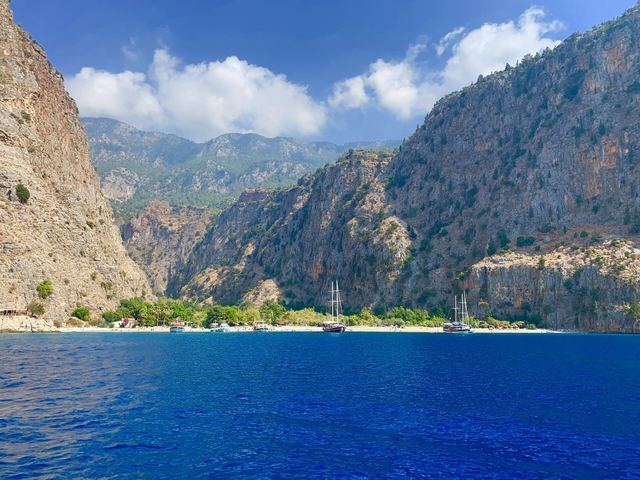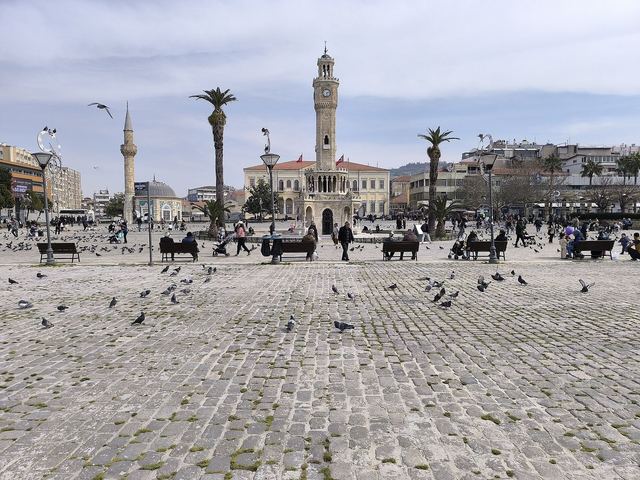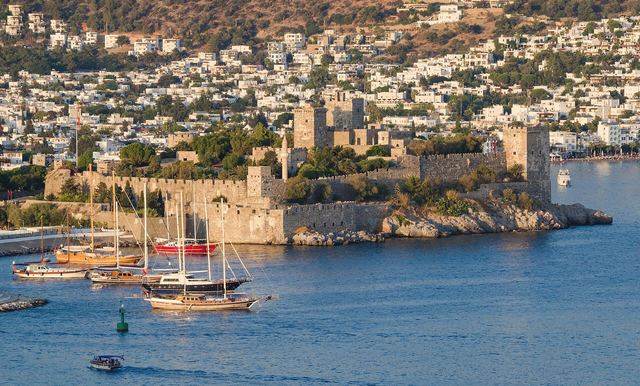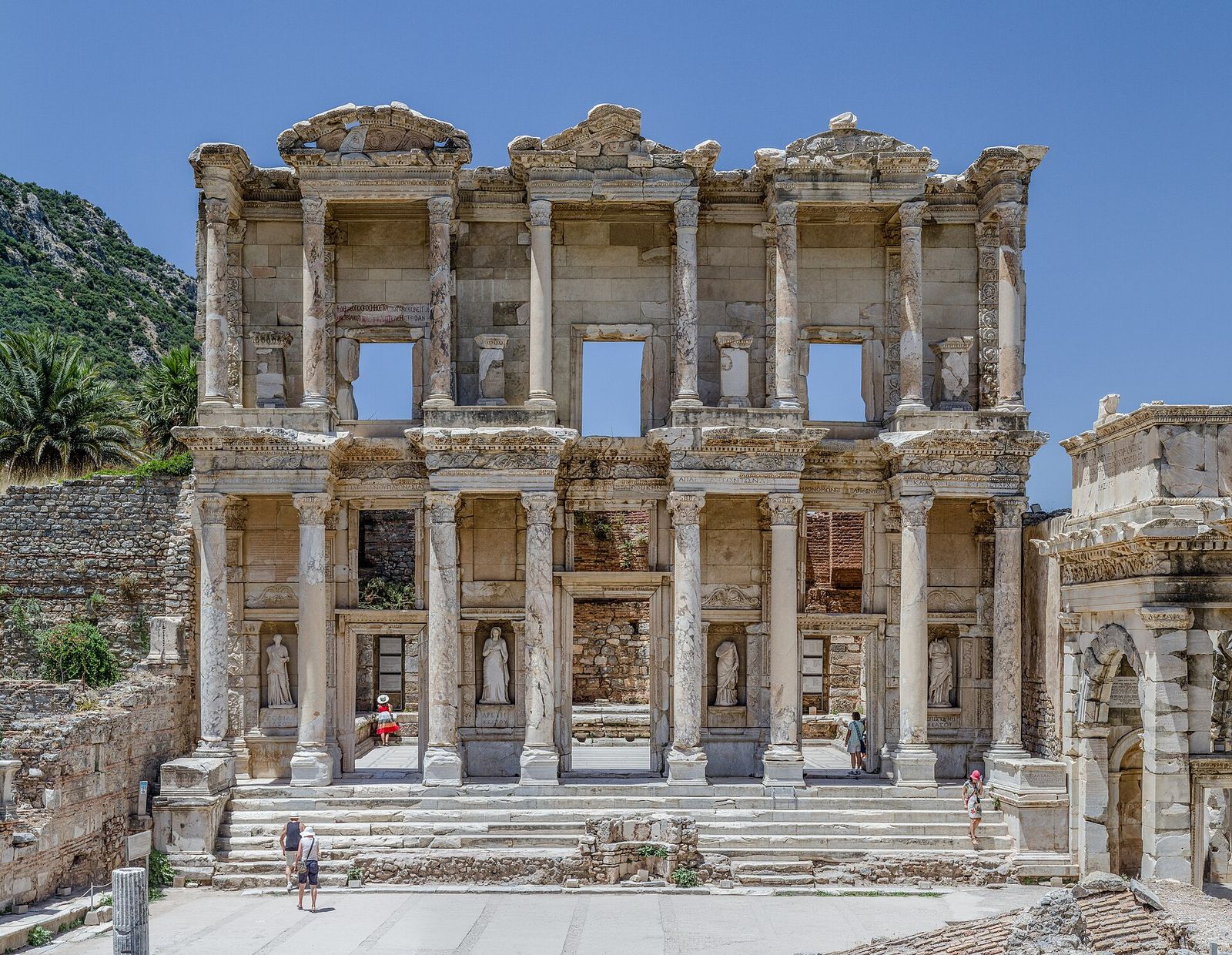

Fitting Türkiye’s Aegean region into a single video was hard; fitting it into a single article is even harder. In our video we gathered 38 places, from Bodrum Castle to Şirince and from Ölüdeniz to the streets of Alaçatı. In this guide we don’t present them as a list but group them by interest, so after watching the video it’s easier to answer the question, “Which route is right for me?”
For history buffs: The ancient cities route
The Aegean was home to some of the most important cities of the ancient world, and many of them are now on the UNESCO World Heritage List.
- Ephesus (Izmir, Selçuk): With the Library of Celsus, the Great Theater and the Terrace Houses, the most visited ancient city in the region.
- Pergamon (Izmir): A magnificent city with its acropolis, a theater built into a steep hillside and the Asklepion, a medical center of the ancient world.
- Hierapolis-Pamukkale (Denizli): An ancient city built right above brilliant white travertine terraces; one of the rare places where nature and history share the same frame.
- Aphrodisias (Aydın): An impressive ancient city famous for its school of sculpture, with a well-preserved stadium and museum.
- Bodrum Castle and the Museum of Underwater Archaeology (Muğla): One of Türkiye’s most fascinating museums, displaying finds recovered from ancient shipwrecks.
On this route, exploring early in the morning is essential in summer; most ancient sites have next to no shade. To compare guided ancient-city tours: ancient city tours in the Aegean.
For lovers of towns and villages
The Aegean’s stone-house towns may be the region’s most photogenic side.
- Şirince (Izmir): A mountain village right near Ephesus, known for its stone houses, fruit wines and village breakfasts.
- Alaçatı (Izmir): The most popular town on the Çeşme Peninsula, with windmills, stone houses and narrow lanes. It’s also one of the best-known windsurfing spots in Türkiye.
- Ayvalık and Cunda (Balıkesir): Stone houses among olive groves and gorgeous sunsets; for details, see our Ayvalık guide.
- Assos and Adatepe (Çanakkale): A route combining an ancient temple with stone villages.
- Old Datça and Akyaka (Muğla): Quiet towns with distinctive architecture.
For beach lovers: Coves and beaches
In the southern Aegean, the Muğla coast is home to Türkiye’s most famous coves:
- Ölüdeniz (Fethiye): With its turquoise lagoon, perhaps the most photographed beach in Türkiye.
- The coves of the Bodrum Peninsula: Gümüşlük, Yalıkavak and others suit different vacation styles.
- Marmaris and the Bozburun Peninsula: Boat tours, Selimiye and Kızkumu.
- Çeşme’s beaches: The clear waters of Ilıca and around.
In the northern Aegean, along the Gulf of Edremit, you’ll find quieter, family-oriented towns such as Akçay, Altınoluk and Güre.
For nature lovers
- Pamukkale’s travertines: White terraces formed by calcium-rich spring water. You must walk barefoot on the travertines; the rule exists to protect the formations.
- The Kaz Mountains: The green spine of the northern Aegean; ideal for hiking, waterfalls and village visits.
- Dilek Peninsula National Park (Kuşadası): Protected coves and hiking trails.
- Saklıkent Canyon (near Fethiye): A canyon you explore by wading through ice-cold water.
Sample itineraries
One week, “classic Aegean”: Arrive in Izmir, visit Ephesus and Şirince, then Pamukkale, and from there head to Bodrum or Fethiye for a few days at the beach.
One week, “northern Aegean”: Start in Çanakkale and visit Assos, Küçükkuyu, the towns of the Gulf of Edremit and Ayvalık, with Pergamon on the way back.
Ten days, “southern Aegean”: Bodrum, Marmaris and the Bozburun Peninsula, Datça and Fethiye. A rental car is practically essential on this route.
Getting around
The region’s main airports are Izmir Adnan Menderes, Milas-Bodrum, Dalaman, Denizli Çardak and Balıkesir Koca Seyit. Flying into one airport and out of another, depending on your route, saves you from backtracking. To compare flights: flights to the Aegean. The intercity bus network is strong; for coves and villages, a rental car is the most flexible option.
Where to stay
You’ll find accommodation for every budget in the region. Splitting your route into two or three bases and staying several nights at each is far more relaxing than constantly changing hotels. To compare options: hotels in the Aegean.
When to go
Beach season runs from late May to late October; July and August are the hottest and busiest months. Spring and fall are much more pleasant for ancient cities and villages. The water in the northern Aegean is cooler than on the Muğla coast, so factor that into your plans.
Food and drink: The Aegean table
Aegean cooking is built on olive oil and wild herbs. In the northern Aegean, Ayvalık toast and olive-oil-braised greens stand out; in Izmir, boyoz pastry and the kumru sandwich; in Muğla, pine honey and seafood. Gözleme and village breakfasts in the villages and meze spreads in the coastal towns are essentials of any Aegean trip. Local markets are the best places for fresh produce and a glimpse of local life; find out which day the market is held in the town you’re visiting and add it to your plans.
Final word
The Aegean is too rich to finish even in several vacations. Note the places from the 38 in our video that interest you most, then build your own route using the themes in this article.