
For millions of people, Germany is the country of relatives, friends and business trips, and Türkiye in particular has deep ties to it through its large Turkish community. But seen through a traveler’s eyes, the variety Germany offers is often overlooked: fairy-tale castles, walled medieval towns, dark forests, vineyard-covered river valleys and big cities that carry the marks of history. In our video we traveled from the Romantic Road to Neuschwanstein Castle and from Berlin to the Black Forest. In this guide we present Germany through four different vacation ideas.
Idea 1: The Romantic Road and Bavaria
The Romantic Road (Romantische Straße) is a tourist route in southern Germany that runs from Würzburg to Füssen at the foot of the Alps, linking medieval towns along the way. Its best-known stop is Rothenburg ob der Tauber, with its walled old town and half-timbered houses. Dinkelsbühl and Nördlingen share the same character but are quieter.
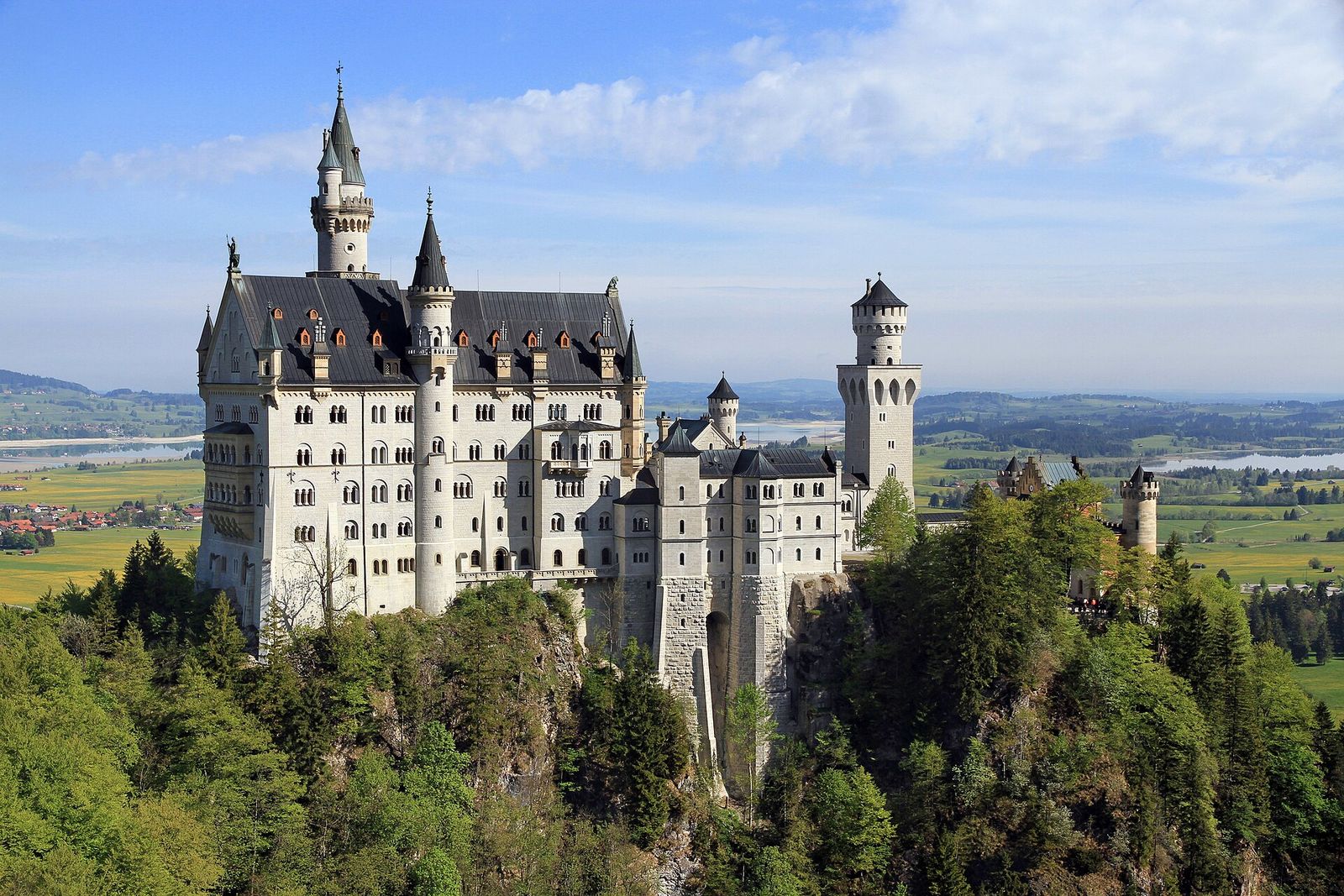
At the southern end of the route, near Füssen, rises Neuschwanstein Castle. Built in the 19th century by King Ludwig II of Bavaria, it is one of the most photographed castles in the world. Interior visits are by timed ticket, and tickets sell out fast in summer, so book online in advance. The best view of the castle is from the nearby Marienbrücke bridge.
Munich, the Bavarian capital, is the hub of the region, with Marienplatz, beer gardens, museums and the world-famous Oktoberfest. It’s a good starting point for the Romantic Road and the Alps.
To compare Neuschwanstein and Bavaria tours: tours and things to do in Germany.
Idea 2: Berlin and history
Berlin witnessed some of the most important events of the 20th century. The Brandenburg Gate is the symbol of the city and of German reunification. What remains of the Berlin Wall, especially the East Side Gallery covered in artists’ murals, recalls the Cold War era. Museum Island, with its UNESCO-listed museums, is essential for anyone interested in art and archaeology.
Berlin is also one of the cities where Turkish culture is most alive in Germany; in neighborhoods like Kreuzberg you feel it at every step.
Idea 3: The Black Forest and nature
The Black Forest (Schwarzwald) in southwest Germany is known for its dense pine forests, valleys, waterfalls and cuckoo clocks. Freiburg, one of the region’s hubs, makes a good base with its historic cathedral and student-town atmosphere. The Triberg Waterfalls and the forest villages are ideal for hiking and road trips. And yes, Black Forest cake comes from here.
Germany’s nature doesn’t stop at the Black Forest: Lake Königssee in the Bavarian Alps, the Baltic coast in the north and the rock formations of Saxon Switzerland are also worth seeing.
Idea 4: The Rhine Valley and Cologne
The Upper Middle Rhine Valley, between Koblenz and Bingen, is on the UNESCO World Heritage List for its hillside vineyards and hilltop castles. The most enjoyable way to see it is on a river cruise. The legendary Lorelei rock is along this stretch.
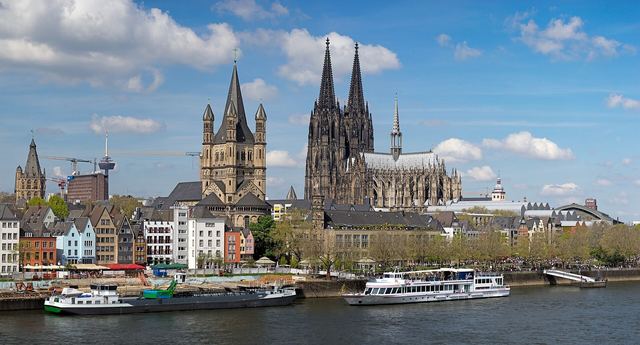
Cologne is famous for Cologne Cathedral, one of the masterpieces of Gothic architecture, which is UNESCO-listed and visible from all over the city. Hamburg, Dresden and Heidelberg each have their own character and deserve a trip of their own.
Getting around
Germany has an extensive rail network, with high-speed trains connecting the major cities. For regional trains, there are nationwide passes and day tickets; compare which works best for your itinerary. On rural routes like the Romantic Road and the Black Forest, renting a car is far more flexible. Some sections of the autobahn have no speed limit, but many do, so watch the signs.
There are direct international flights to many German cities. To compare flights: flights to Germany.
Visas and practical info
- Germany is in the Schengen Area. Many travelers (including US, UK, Canadian and Australian citizens) can visit visa-free for up to 90 days in any 180-day period; others, such as Turkish citizens, need a Schengen visa. Check the rules for your passport before you go.
- The currency is the euro. Cards are widely accepted in big cities, but cash can still matter in small cafés and restaurants.
- Most stores are closed on Sundays, so plan your shopping accordingly.
- For mobile data: eSIM options for Germany.
Where to stay
Pick a few bases depending on your route: Munich or Füssen for Bavaria, Rothenburg for the Romantic Road, Freiburg for the Black Forest, and Koblenz or small river towns for the Rhine Valley. To compare options: hotels in Germany.
When to go
- Summer (June–August): Long days, outdoor events and beer gardens.
- Fall (September–October): Grape harvest in the Rhine Valley and Oktoberfest season in Munich.
- Winter (December): Germany’s famous Christmas markets; Nuremberg, Dresden and Cologne are the best known.
- Spring: Quieter and mild, with parks in bloom.
German food
German food varies from region to region. In Bavaria, think pretzels, white sausage and pork-heavy dishes; in Berlin, currywurst; and in the Black Forest, its famous cake. If you don’t eat pork, read menus carefully or ask; in big cities, Turkish and Middle Eastern restaurants are everywhere (the döner kebab as most of the world knows it was popularized in Berlin). Bakery and breakfast culture is strong too, with a huge choice of fresh bread and pastries in the morning.
Final word
If you only know Germany through its big cities, our video will show you a completely different side of the country. Pick a vacation idea, whether the Romantic Road, Berlin or the Black Forest, then use this guide to plan your trip.
Unusual facts
- Germany has stretches of autobahn with no speed limit, though there is a recommended speed, and many sections do have limits.
- Germany is said to bake thousands of kinds of bread, and German bread culture is listed in the national inventory of UNESCO intangible cultural heritage.
- Neuschwanstein Castle is known as one of the inspirations for Disney’s famous fairy-tale castle.
- The longest surviving section of the wall that once divided Berlin is now an open-air gallery: the East Side Gallery.
- Sunday is a “Ruhetag” (day of rest), and most stores are closed.
Things to watch out for & tourist traps
- Train delays and missed connections have become common; don’t plan tight transfers.
- Buy public transportation tickets before boarding, and in some cities validate them in a machine (“entwerten”).
- Some restaurants and bakeries still accept only cash, so carry a little with you.
- Respect Sunday quiet hours; noise at your accommodation can lead to complaints.
Budget tips
- For regional trains, compare state day tickets and the affordable monthly public transportation pass (Deutschlandticket).
- Long-distance high-speed train tickets are usually much cheaper when booked early.
- Restaurants’ lunch menus (“Mittagstisch”) are more affordable than dinner.
Germany guides
Frequently asked questions
Where should first-time visitors to Germany start?
Berlin plus Bavaria (Munich, the Romantic Road, Neuschwanstein) is a great first combination; on a second trip, head for the Rhine Valley and the Black Forest.
Train or car in Germany?
Trains are practical between cities; on rural routes like the Romantic Road and the Black Forest villages, a car gives you more flexibility.
When are the Christmas markets?
Usually from late November until late December; dates vary by city.