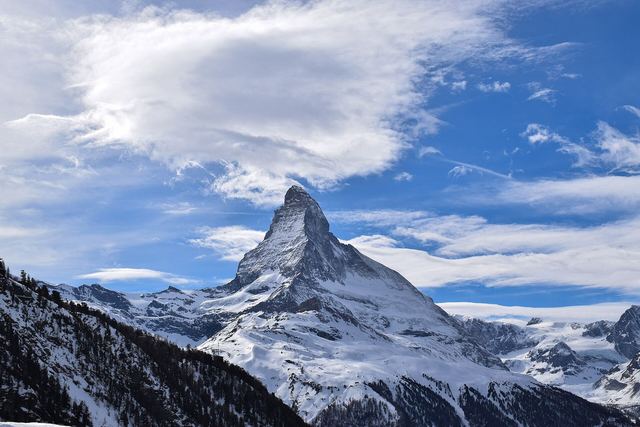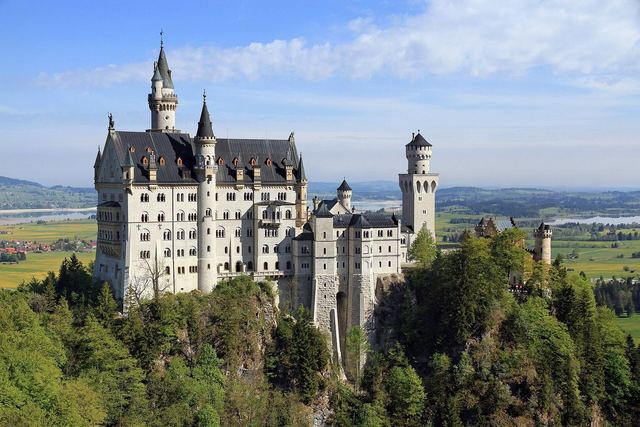
Mention Switzerland and most of us picture the same handful of shots: the pointed summit of the Matterhorn, Lucerne’s wooden bridge, the fountain in Geneva. In this video, one of our channel’s most-watched European documentaries, we visited those famous spots but also Switzerland’s quieter corners. This guide is for anyone who wants to turn what they saw in the video into a travel plan, and it presents Switzerland by type of scenery.
Lakes: Switzerland’s mirrors
Blausee, in the canton of Bern, is a small lake hidden in the forest. The clarity and color of its water made it one of the most talked-about shots in the video. The lake sits within a nature park, so check entry conditions in advance.
Lake Lucerne, ringed by mountains, offers one of Switzerland’s best-known lake views. In the city of Lucerne, the historic wooden Chapel Bridge (Kapellbrücke) and the old town, combined with a boat trip on the lake, easily fill a day.
Lake Geneva (Lac Léman) is the heart of French-speaking western Switzerland. Montreux, Lausanne and Geneva on its shores each have their own character.
A boat tour on the lakes is one of the most relaxing ways to see Switzerland. To compare boat and mountain tours: tours and things to do in Switzerland.
Vineyards and hillsides: Lavaux
On the northern shore of Lake Geneva, between Lausanne and Montreux, the Lavaux Vineyard Terraces embrace the lake and are on the UNESCO World Heritage List. The walking trails between the terraces, the wine villages and the view of the Alps across the lake make this one of Switzerland’s least-known yet most impressive experiences. You can take the train to one village and walk back from another.
Villages: Appenzell and mountain settlements
Appenzell, in northeastern Switzerland, is known for its brightly painted house facades and its devotion to tradition. The green hills and trails around it reflect the Swiss countryside at its purest.
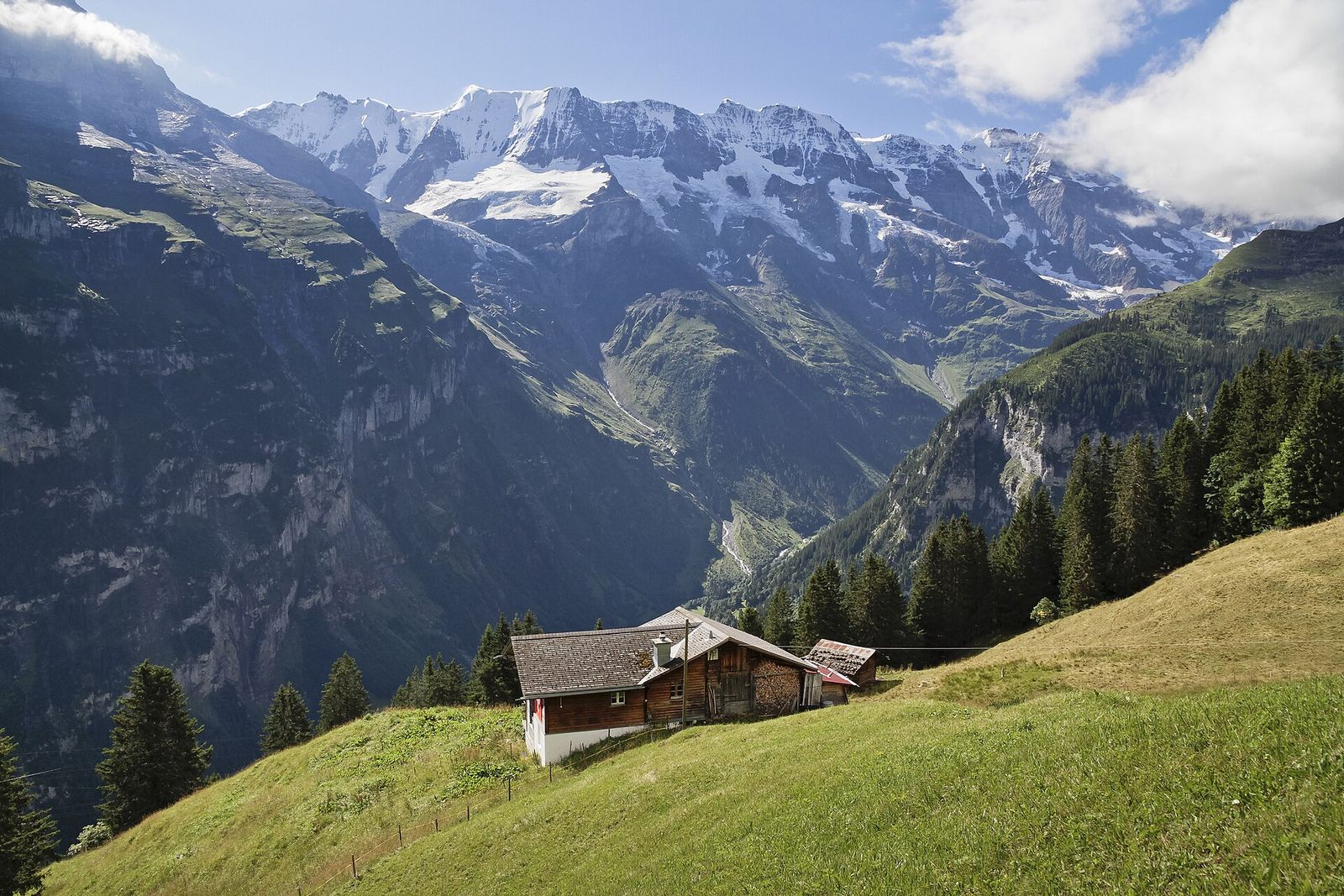
Some of the mountain villages in the video can only be reached by train, cable car or on foot. The Lauterbrunnen valley, with waterfalls pouring off sheer cliffs, is one of the best known; the car-free mountain villages sit on the slopes above it.
Mountains and glaciers
The Aletsch Glacier is the largest glacier in the Alps and part of the UNESCO-listed Jungfrau-Aletsch region. Cable cars take you up to viewpoints to see it from above.
Zermatt, at the foot of the Matterhorn, is a mountain town where motor vehicles are largely banned. You arrive by train, and mountain railways and cable cars let you see the Matterhorn from different angles.
The weather at high altitude can change quickly; even in summer, bring a warm layer and sun protection.
Getting around: See Switzerland by train
Switzerland’s public transportation network is one of the best organized in the world. Trains, buses, lake boats and mountain railways all work together. If you’ll be traveling a lot over several days, it’s worth comparing nationwide rail passes and discount cards; which one pays off depends on your route and how many days you’re staying. Some mountain railways and cable cars aren’t fully included in these passes but may be discounted.
International flights usually land at Zurich and Geneva airports. To compare flights: flights to Switzerland.
Visas and practical info
- Switzerland is in the Schengen Area. Many travelers (including US, UK, Canadian and Australian citizens) can visit visa-free for up to 90 days in any 180-day period; others, such as Turkish citizens, need a Schengen visa. Check current requirements with official sources.
- The currency is the Swiss franc (CHF). Cards are accepted almost everywhere.
- There are four official languages: German, French, Italian and Romansh, and the language changes from region to region.
- Setting up a roaming plan or an eSIM before you go makes mobile data easy: eSIM options for Switzerland.
Where to stay
The smartest approach is to pick two or three bases: Lucerne or Zurich in the east, Interlaken or Lauterbrunnen in the center, Lausanne or Montreux in the west and Zermatt in the south. Staying in a mountain village lets you enjoy the views in the quiet morning and evening hours. To compare options: hotels in Switzerland.
When to go
- Summer (June–September): The best time for hiking, lakes and mountain scenery. High passes and trails open in this period.
- Winter (December–March): Skiing and snowy village scenes.
- Spring and fall: Quieter and more affordable, though some mountain facilities may close for maintenance.
Budget tips
Switzerland is expensive, but a few steps can protect your budget:
- Picnicking with groceries from the supermarket is far cheaper than eating at mountain restaurants.
- Tap water is generally drinkable, so carry a refillable bottle instead of buying water.
- Look for early-booking discounts on train tickets and day passes.
- Staying in nearby towns rather than the big cities can save money.
Sample itinerary: 7 days
- Zurich and Lucerne (2 days): The old town, a lake cruise and the Chapel Bridge.
- Interlaken and Lauterbrunnen (2 days): Waterfalls, mountain villages and Blausee.
- Zermatt (1–2 days): Matterhorn views.
- Lavaux and Montreux (1–2 days): A walk through the vineyard terraces and Lake Geneva.
Final word
You can see Switzerland by sticking to its famous spots, but as we tried to show in the video, the country’s real beauty is hidden in its quiet valleys, small lakes and vineyard terraces. Watch the video, choose the scenery that speaks to you, then build your route with this guide.
Unusual facts
- Switzerland has four official languages: German, French, Italian and Romansh. Road signs change depending on which canton you’re in.
- Officially, the country has no capital as such: the constitution refers to Bern not as the “capital” but as the “federal city.”
- Along with the Vatican’s, the Swiss flag is one of only two square national flags in the world.
- The country has thousands of lakes; Lake Geneva (Lac Léman), shared with France, is one of the largest in the Alps.
- Direct democracy is part of daily life: the Swiss vote in national referendums several times a year.
Things to watch out for & tourist traps
- Buy your train ticket before boarding; inspections are frequent and fines for riding without a ticket are steep.
- Private mountain railways and cable cars may not be fully covered by travel passes; check before you go.
- Mountain weather can change in minutes: bring a jacket even in summer and stay on marked trails when hiking.
- Many stores are closed on Sundays, so don’t leave your shopping until Saturday night.
- Tap water is generally drinkable; check the signs on public fountains before paying for bottled water.
Switzerland guides
Frequently asked questions
How many days do you need in Switzerland?
7 days for a selection of lakes and Alps; 10 days is ideal if you want to add Lavaux, Appenzell and Ticino.
Car or train in Switzerland?
For most travelers, the train is more practical: the network is dense, punctual and scenic. Some mountain villages are car-free anyway.
Is Switzerland in the Schengen Area?
Yes. Switzerland is not an EU member, but it is part of Schengen. Whether you need a Schengen visa depends on your passport; confirm current rules with official sources.