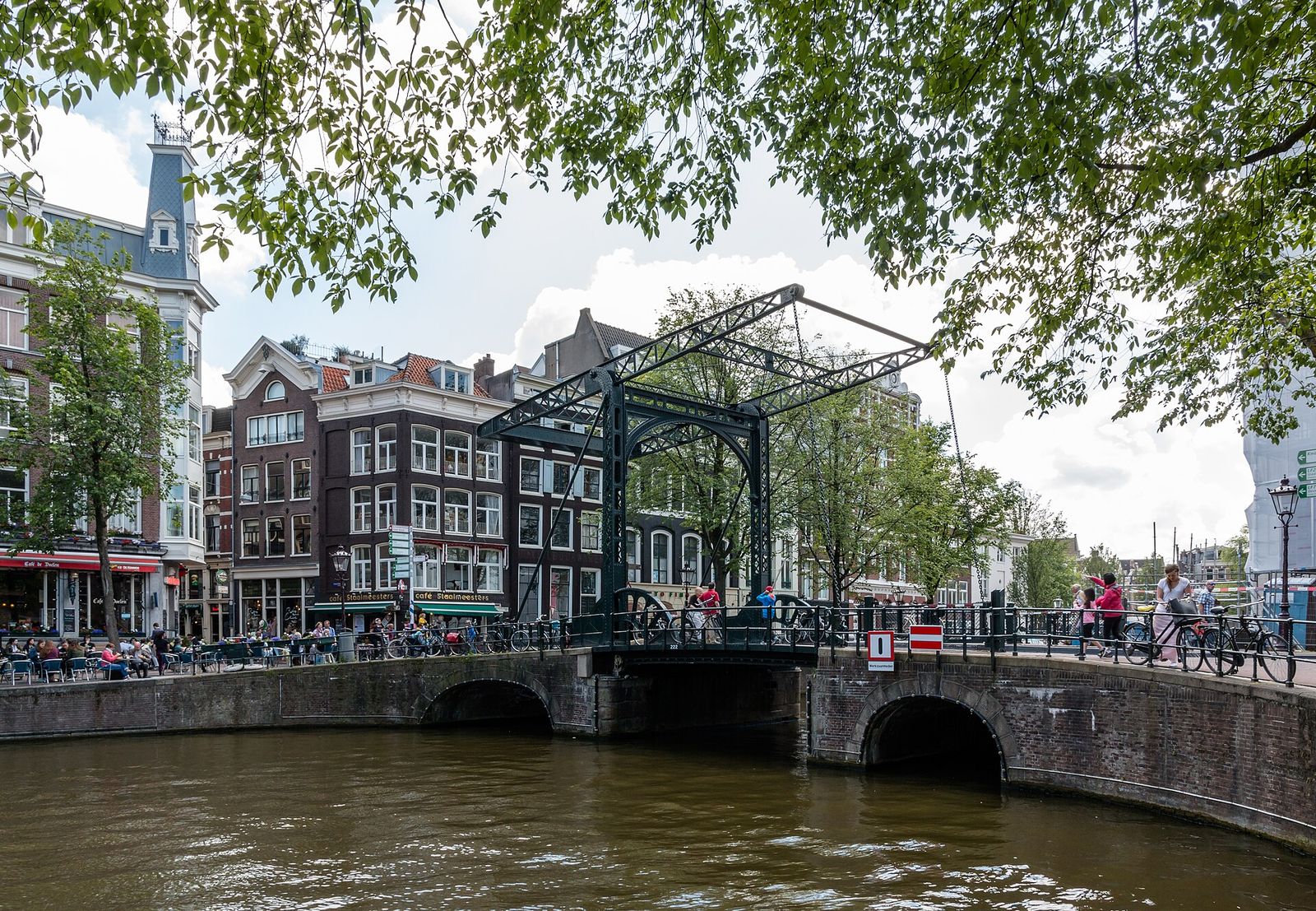

The Netherlands is small on the map but big on stories. In two of our documentaries we covered both the country’s cycling culture and how it stays afloat even though more than a quarter of its land is below sea level. In this article we’ve gathered 12 unusual facts from those stories. For an itinerary, see our Netherlands travel guide.
The struggle with the sea
1. Much of the land is below sea level. About a quarter of the Netherlands lies below sea level, and most of the country is low-lying land at risk of flooding.
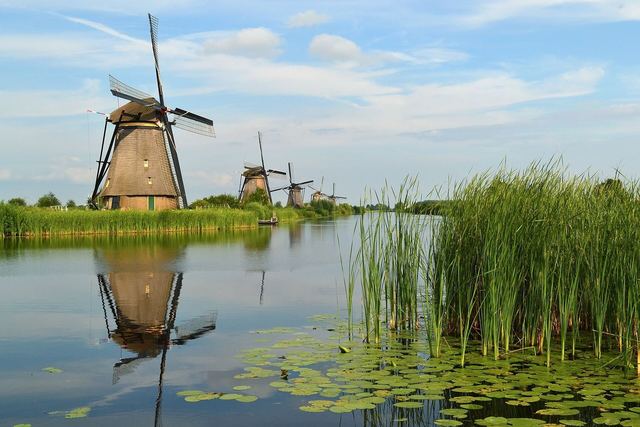
2. “Polders”: land taken from the sea. For centuries, the Dutch reclaimed new land by enclosing areas with dikes and draining them, first with windmills and later with pumps. The province of Flevoland was almost entirely reclaimed from the sea this way in the 20th century.
3. The airport is below sea level. Amsterdam’s Schiphol Airport was built on the drained bed of a former lake and sits several meters below sea level.
4. The Delta Works. The dikes, dams and giant storm surge barriers built after the great flood of 1953 make up one of the largest flood protection systems in the world.
Bike country
5. More bikes than people. The Netherlands is estimated to have more bicycles than people. Utrecht has one of the world’s largest bicycle parking garages.
For travelers: Lanes paved in red asphalt are bike paths; don’t walk on them, and step aside as soon as you hear a bell.
6. Bike theft is common too. With so many bikes around, theft is common. Always lock your rental bike with two locks.
Tulips and trade
7. Tulips arrived via the Ottoman Empire. Tulips originated in Central Asia and Anatolia and reached Europe from the Ottoman Empire in the 16th century. In the 17th century, tulip bulb prices in the Netherlands soared so high that “tulip mania” is remembered as one of the first known speculative bubbles in history.
8. One of the world’s first publicly traded companies. The Dutch East India Company (VOC), founded in 1602, is considered one of the first companies to sell shares to the public, and the Amsterdam Stock Exchange is one of the oldest in the world.
Cities and everyday life
9. Amsterdam stands on wooden piles. Built on soft ground, most of the city’s historic buildings rest on wooden piles driven into the earth. That’s also why some houses look slightly crooked.
10. Narrow houses and roof hooks. The hooks on the façades of canal houses are used to hoist furniture that won’t fit up the narrow staircases. It’s often said that the houses are narrow because of old taxes based on frontage.
11. An orange celebration. On King’s Day (April 27), the whole country turns orange, and the streets become a giant flea market and festival. The color comes from the royal family, the House of Orange-Nassau.
For travelers: Accommodation prices in Amsterdam rise on this date, and the city center gets very crowded.
12. One of the tallest peoples in the world. The Dutch rank among the tallest people in the world in average height.
Final word
As you travel around the Netherlands, knowing that every canal, dike and windmill you see is part of a centuries-long struggle with the sea gives the landscape a whole new meaning.
Frequently asked questions
Is it easy to rent a bike in the Netherlands?
Yes. Cities have plenty of rental shops, and major train stations also have bike rental points.
Did tulips really come from Türkiye?
Tulips originated in Central Asia and Anatolia; they reached Europe via the Ottoman Empire in the 16th century and became a national passion in the Netherlands.