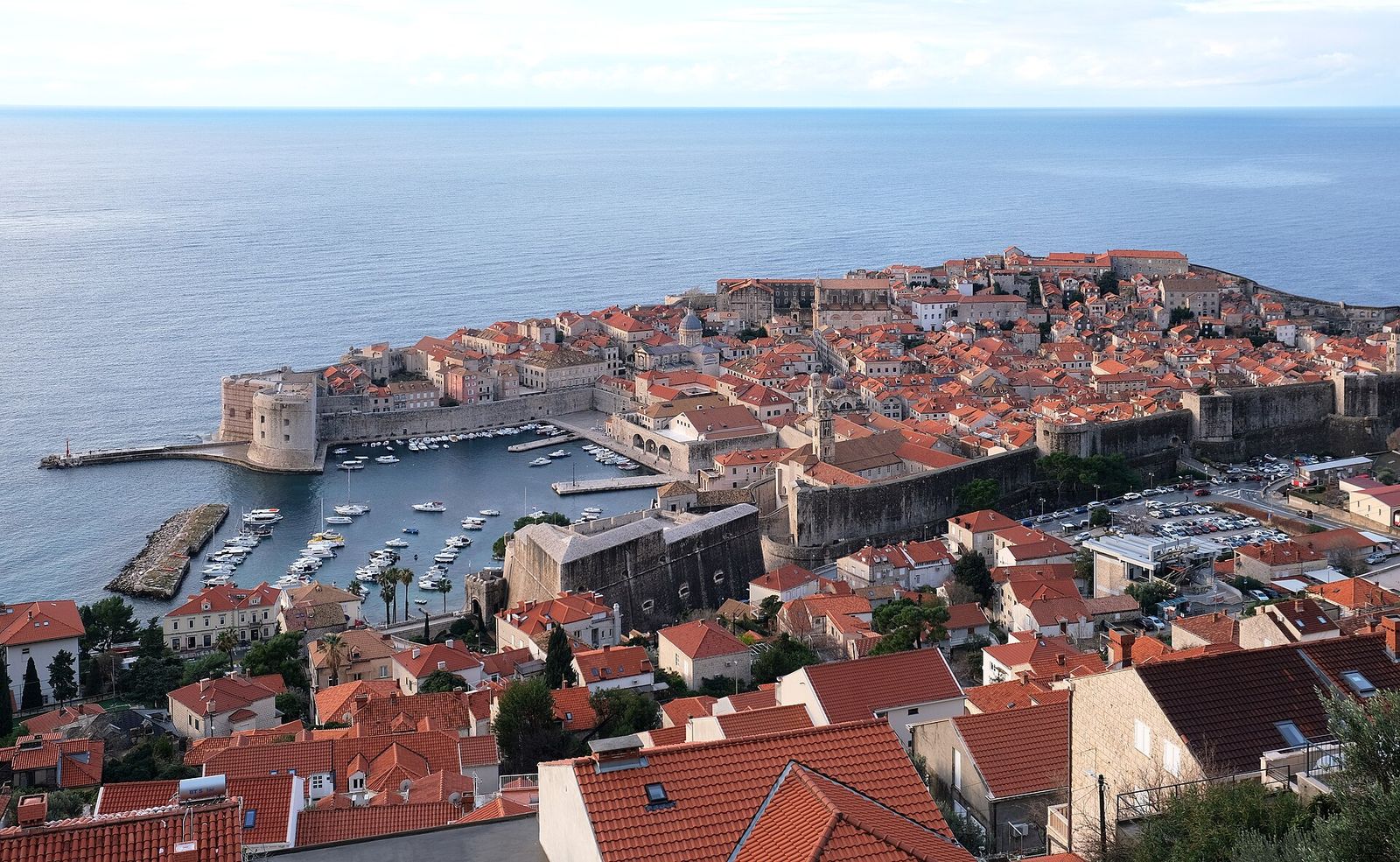

Most of us know Croatia for Dubrovnik’s city walls and turquoise coves. But this small Adriatic country has given the world more than most people would guess. We picked 12 facts from our documentary and added practical notes for travelers. For route planning, see our Croatia travel guide.
Gifts to the world
1. The necktie comes from Croatian soldiers. In the 17th century, the cloth that Croatian soldiers serving in France tied around their necks caught on in Parisian fashion. The French word “cravate” is thought to derive from “Hrvat” (Croat). Zagreb celebrates Cravat Day every October 18.
2. The Dalmatian is named after this coast. The spotted dog breed takes its name from Dalmatia, the region along Croatia’s Adriatic coast.
3. The inventor of the mechanical pencil was Croatian. Slavoljub Penkala developed the mechanical pencil in the early 20th century, and his name lives on in a pen brand in Zagreb.
4. Nikola Tesla was born in what is now Croatia. The genius of electrical engineering was born in the village of Smiljan in the Lika region. The house where he was born is now a memorial center you can visit.
Coasts and islands
5. More than a thousand islands. Croatia’s Adriatic coast is dotted with more than a thousand islands and islets of all sizes, but only a small number are permanently inhabited.
6. An organ played by the sea. Zadar’s Sea Organ produces ever-changing sounds as the waves push air through pipes set beneath the steps of the waterfront.
For travelers: The most magical moment is sunset; the neighboring “Greeting to the Sun” installation lights up once darkness falls.
7. A claim to the world’s smallest town. Hum, in Istria, is a walled settlement with a population of just a few dozen that promotes itself as the smallest town in the world.
Traces of history
8. A remarkably intact Roman arena in Pula. The Pula Arena is considered one of the best-preserved Roman amphitheaters in the world and hosts concerts in summer.
9. Dubrovnik banned the slave trade in the 15th century. Dubrovnik (Ragusa), then an independent republic, became one of the first European states to ban the slave trade, in 1416.
10. One of Europe’s oldest pharmacies. The pharmacy inside Dubrovnik’s Franciscan Monastery is known as one of the oldest in the world, operating since 1317.
Modern Croatia
11. A city TV shows love. Dubrovnik became world-famous for standing in for the capital in a hit fantasy series, and there are tours of the filming locations.
For travelers: That popularity brought crowds too; to see the old town at its calmest, go early in the morning.
12. Rapid change. Croatia joined the European Union in 2013 and, in 2023, both adopted the euro and entered the Schengen Area. For travelers, that means currency and border crossings are now simpler.
Final word
These little-known sides of Croatia make the country much more than a summer vacation stop. You can watch more of these facts, along with the country’s scenery, in the video.
Frequently asked questions
What currency does Croatia use?
Croatia has used the euro since 2023 and joined the Schengen Area the same year.
Is Hum really the world’s smallest town?
Hum is a settlement with a tiny population that bills itself as “the smallest town in the world”; the title is more of a local tradition than an official ranking.