When people think of Egypt, the first image that comes to mind is the pyramids of Giza. But when we named our documentary, we deliberately said “beyond the pyramids”: temples lining the Nile, tombs carved into rock, Nubian villages and the coral reefs of the Red Sea make Egypt far too rich to fit into a single photo. In this guide we’ve arranged the 16 stops from the video as a north-to-south journey.
Cairo and Giza: The starting point
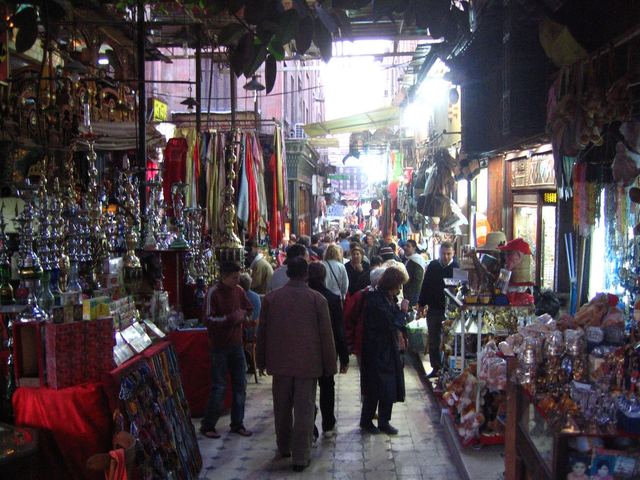
The Pyramids of Giza and the Sphinx are the one thing you can’t skip. Arriving at opening time spares you both the heat and the crowds. Stop at the viewpoints on the plateau to see the pyramids from different angles. Cairo also has major museums displaying pharaonic treasures, the mosques of Islamic Cairo and the Khan el-Khalili bazaar.
South of Giza, Saqqara, home to the Pyramid of Djoser, known as the first step pyramid, is a perfect stop for understanding how the pyramids “evolved.” Nearby Dahshur, with the Bent Pyramid and the Red Pyramid, is less crowded.
Luxor: The world’s largest open-air museum
Luxor, ancient Thebes, spreads across both banks of the Nile:
- East Bank: Luxor Temple, illuminated in the evening, and the Karnak Temple Complex with its gigantic hypostyle hall.
- West Bank: The Valley of the Kings, home to the pharaohs’ tombs, the Temple of Hatshepsut, the female pharaoh, and the Colossi of Memnon.
A sunrise hot air balloon flight over the West Bank is a different experience even if you’ve flown over Cappadocia. For tours: tours and things to do in Egypt.
Aswan and Abu Simbel
Some of the Nile’s most beautiful scenery is in Aswan. Drifting along the river on a felucca (traditional sailboat) in the late afternoon, visiting colorful Nubian villages and seeing the island Temple of Philae are the classics here. The Aswan High Dam and Lake Nasser behind it make up one of modern Egypt’s biggest engineering projects.
Farther south, near the Sudanese border, the Abu Simbel temples, with their colossal statues of Ramesses II carved into the rock, are among Egypt’s most awe-inspiring sights. Get there on an early-morning tour from Aswan or by a short flight.
The Red Sea: Hurghada and Sharm El Sheikh
The Red Sea coast is the perfect place to recover from all that history. With their coral reefs and colorful fish, Hurghada and Sharm El Sheikh rank among the world’s top diving and snorkeling areas. Not standing on reefs or touching coral is the simplest way to protect this fragile ecosystem.
When to go
October to April is the best time to tour Egypt, with December and January the busiest months. In summer, the midday heat in Luxor and Aswan is a serious health risk; squeeze sightseeing into early mornings and late afternoons.
Getting around
From Cairo, there are domestic flights, sleeper trains and buses to Luxor and Aswan. Between Luxor and Aswan, the most enjoyable option is a Nile cruise that stops at temples along the way. There are also direct international flights to the Red Sea resorts: flights to Egypt.
Where to stay
In Cairo, choose a Giza hotel with pyramid views or a centrally located hotel on the Nile. In Luxor, the East Bank is convenient and the West Bank quieter. All-inclusive resorts are common on the Red Sea: hotels in Egypt.
What to eat
Koshari (lentils, rice, pasta and tomato sauce), ful medames (mashed fava beans), ta’ameya (Egyptian-style falafel) and syrup-soaked desserts are Egypt’s best-known dishes. With street food, pick busy stalls that cook fresh.
Sample itinerary: 10 days
- Days 1–3: Cairo, Giza, Saqqara.
- Days 4–6: Luxor’s East and West Banks.
- Days 7–8: Nile cruise or overland to Aswan; Abu Simbel.
- Days 9–10: Snorkeling and relaxing in Hurghada.
Unusual facts
- The Great Pyramid of Giza is the only one of the Seven Wonders of the Ancient World still standing.
- The Pyramid of Djoser at Saqqara is considered one of the oldest large stone structures known and the first step pyramid.
- In the 1960s, the Abu Simbel temples were cut into pieces and moved to higher ground to save them from the lake created by the Aswan High Dam.
- Twice a year at Abu Simbel, the sun’s rays reach all the way into the temple’s innermost chamber and light up the statues.
- The Nile is one of the longest rivers in the world and flows from south to north, which is why “Upper Egypt” is in the south and “Lower Egypt” is in the north.
Visas & entry
Most visitors, including US, UK, Canadian, Australian and Turkish citizens, need a visa for Egypt. Depending on your passport, options may include an e-Visa or a visa on arrival, and the rules change from time to time, so check Egypt’s official consular sources before you travel. Your passport usually needs to be valid for at least six months from your date of entry.
Visa and entry rules depend on your passport and change often. Before you travel, always check the latest requirements with the destination country’s official sources and your own government’s travel advisory (for US citizens: travel.state.gov).
Budget tips
- A Nile cruise between Luxor and Aswan bundles accommodation, meals and transportation, so it can work out cheaper than planning each piece separately.
- In Cairo, ride-hailing apps are handier than street taxis, giving you transparent fares and sparing you the haggling.
- Look into combination tickets covering several ancient sites, as well as student discounts.
Egypt guides
Frequently asked questions
How many days do you need to see Egypt?
At least 8 days for Cairo and Giza (3 days), Luxor (2–3 days) and Aswan and Abu Simbel (2 days); 10–12 days if you want to relax on the Red Sea.
When is the best time to visit Egypt?
October to April is cooler and comfortable for sightseeing. In summer, temperatures in Luxor and Aswan soar, while the Red Sea coast works for a beach vacation year-round.
Nile cruise or overland?
A Nile cruise between Luxor and Aswan is the classic, comfortable way to see the temples one after another. If you’re short on time, take the train or travel by road between the two cities.